



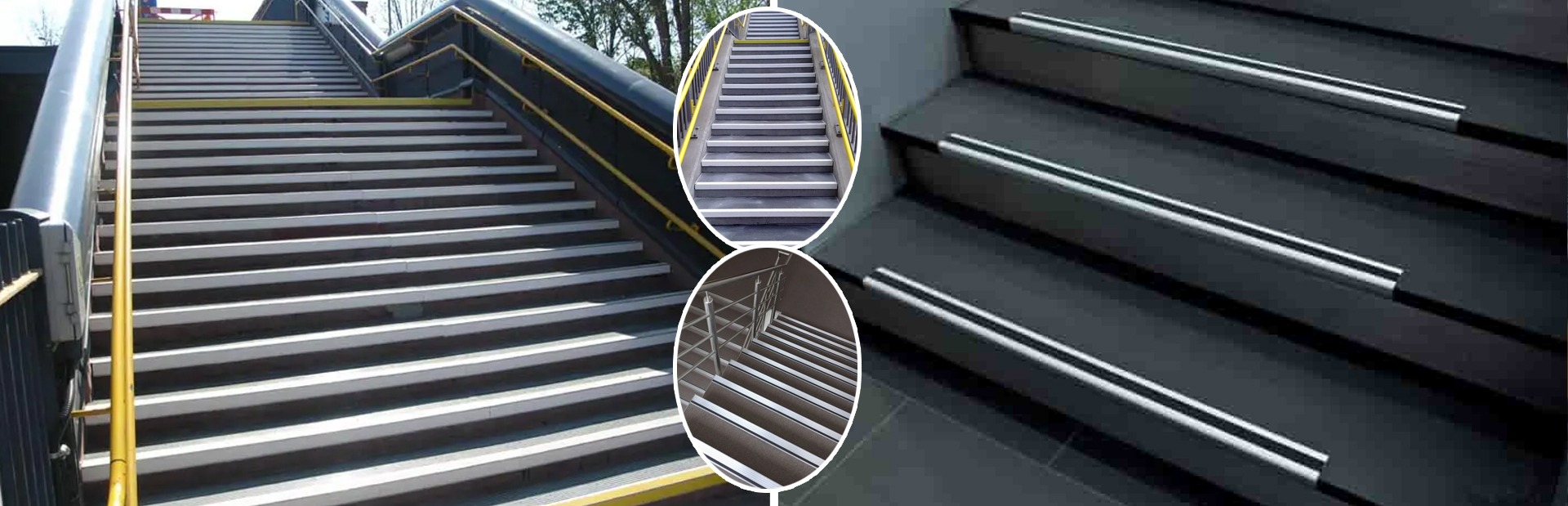
Aluminium stair nosing plays an important role in both safety and stair protection. Installed along the edge of stair treads, it helps reduce wear, improve grip, and create a cleaner finish for residential and commercial staircases. Whether used in office buildings, retail spaces, apartment blocks, or modern homes, stair nosing can make stairs safer while also extending the lifespan of the flooring underneath.
One of the main reasons aluminium stair nosing is widely used is its balance of durability and appearance. Aluminium is lightweight, resistant to corrosion, and suitable for high-traffic areas where stair edges experience constant impact. Many profiles also include anti-slip inserts, making them a practical choice for busy environments where slip resistance matters.
If you’re looking for reliable and well-finished aluminium stair nosing for your project, you can explore the full range at Zalwan Ltd. It’s an easy way to find options that suit different stair types, styles, and installation needs.
Aluminium Stair Nosing Improves Safety and Durability
i) Improved Stair Protection
Aluminium stair nosing helps protect exposed stair edges from daily wear, impact, and repeated foot traffic. It can reduce chipping, cracking, and surface damage, helping extend the life of stairs finished with wood, tile, laminate, vinyl, or carpet.
ii) Better Slip Resistance
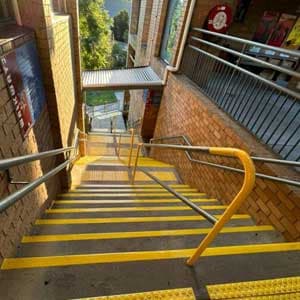
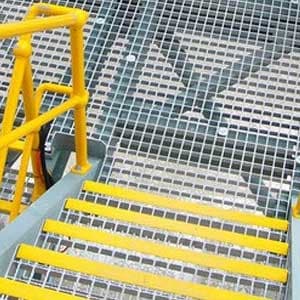
Many aluminium stair nosing profiles feature textured surfaces or anti-slip inserts that improve grip underfoot. This can make stairways safer in busy environments such as offices, schools, shops, apartment buildings, and commercial premises.
iii) Practical Advantages
Aluminium stair nosing can offer several practical benefits, including:
- Improved visibility at stair edges
- A cleaner, more professional finish
- Reduced wear on stair surfaces
- Options for indoor and outdoor applications
- Good resistance to rust and corrosion
Low maintenance requirements
Product suitability will depend on the profile, finish, and intended environment, so always check the product details before ordering.
iv) Durable and Straightforward to Install
Aluminium is lightweight yet strong, making many profiles easier to handle, cut, and install. Once fitted correctly, it can provide long-lasting protection without adding unnecessary bulk to the staircase.
v) Flexible Design Options
Aluminium stair nosing is available in a range of profiles, sizes, colours, and finishes. Options may include surface-mounted, recessed, and anti-slip designs, allowing buyers to choose a style that suits the stair type, level of use, and overall appearance.
Buyers comparing available sizes and profiles can review the aluminium stair nosing collection from Zalwan Ltd to find options suitable for different stair materials, traffic conditions, and installation methods.
Measuring for the Right Stair Nosing Size
Selecting the correct stair nosing size is important for both safety and appearance. A profile that is too small may not provide enough edge protection, while an oversized profile can affect the look and usability of the staircase. Before ordering, it is important to consider stair dimensions, flooring thickness, traffic levels, and the type of installation required.
| Stair Nosing Type | Common Use | Best Suited For |
|---|---|---|
| Slim profile | Minimal edge protection | Residential stairs |
| Standard profile | General stair protection | Homes, offices, apartments |
| Heavy-duty profile | High-traffic durability | Commercial and public buildings |
| Recessed profile | Installed within the flooring | Tiled or newly finished stairs |
| Surface-mounted profile | Retrofitting existing stairs | Renovation projects |
Several measurements should be checked before choosing a profile:
- Stair tread depth
- Stair width
- Flooring thickness
- Existing edge condition
- Indoor or outdoor placement
- Expected foot traffic
For tiled stairs, recessed stair nosing is often installed during the flooring process so the profile sits flush with the tile surface. Carpeted or existing stairs may be better suited to surface-mounted profiles that can be fitted after the flooring is complete.
Choosing a Finish to Match Your Staircase
The finish of aluminium stair nosing affects more than appearance alone. It can influence grip, maintenance requirements, durability, and suitability for different environments. Choosing the right finish helps ensure the stair nosing performs well while also matching the style of the surrounding space.
Brushed aluminium is one of the most common choices for modern interiors. Its subtle metallic appearance works well in offices, apartment buildings, retail spaces, and contemporary homes. The textured surface can also help reduce the visibility of scratches and marks caused by regular foot traffic.
Anti-slip finishes are especially important in areas where safety is a priority. These profiles often include rubber inserts, abrasive strips, or textured surfaces designed to improve grip underfoot. They are commonly used in schools, hospitals, public buildings, entrances, and staircases exposed to wet conditions.
Below is a simple comparison of common finish types:
| Finish Type | Appearance | Main Advantage | Suitable Areas |
|---|---|---|---|
| Brushed aluminium | Modern metallic look | Stylish and low maintenance | Homes and offices |
| Anodised aluminium | Durable protective coating | Corrosion resistance | Commercial spaces |
| Anti-slip finish | Textured or insert-based grip | Improved safety | High-traffic stairs |
| Matte finish | Soft non-reflective appearance | Contemporary finish | Residential interiors |
Indoor and outdoor use should also be considered when selecting a finish. Outdoor staircases may require profiles with stronger anti-slip properties and improved weather resistance, while indoor spaces often focus more on appearance and ease of cleaning. Maintenance requirements can vary between finishes as well. Smooth brushed profiles are generally easy to wipe clean, while textured anti-slip inserts may require more regular cleaning to prevent dirt build-up.
If you want a stylish finish that combines safety with a natural wood look, you can explore the full range of aluminium wood effect stair nosing here. It’s an easy way to find options that fit different interior styles and stair designs.
A Simple Guide to Installation
i) Prepare the Stair Surface
Before installation, make sure each stair is clean, dry, and free from dust, grease, or loose material. A smooth, stable surface helps the stair nosing sit correctly and improves the strength of the fixing. Measure each step carefully before cutting, as stair widths can vary slightly.
ii) Gather the Required Tools
Depending on the stair nosing profile and fixing method, you may need:
- Tape measure
- Pencil or marker
- Saw or suitable metal-cutting tool
- Drill and screws
- Appropriate adhesive
- Spirit level
- Safety gloves
- Eye protection
Always check the product instructions before choosing fixings or adhesive.
iii) Position and Fit the Stair Nosing
Surface-mounted aluminium stair nosing is often straightforward to install. Cut the profile to the required length, position it evenly along the stair edge, and check that it sits level. The nosing may be fixed using screws, adhesive, or a combination of both, depending on the product, stair material, and intended application.
iv) Basic Installation Steps
- Measure the width of the stairs.
- Mark and cut the stair nosing to size.
- Position the profile evenly on the stair edge.
- Mark the fixing points where required.
- Apply the recommended adhesive or insert the fixings.
- Press the nosing firmly into place.
- Check the alignment and make any necessary adjustments.
- Allow the adhesive to cure fully before using the stairs.
For the best result, always follow the manufacturer’s fitting guidance and confirm that the chosen profile is suitable for the stair surface.
What Buyers Often Ask
Q: Is aluminium stair nosing suitable for residential stairs?
Yes, aluminium stair nosing is widely used in homes to protect stair edges, improve grip, reduce everyday wear, and create a neat finish on timber, tiled, laminate, vinyl, or carpeted staircases.
Q: Can aluminium stair nosing be used outdoors?
Many aluminium stair nosing profiles are suitable for outdoor use, especially anodised or anti-slip options designed to cope with moisture, temperature changes, and regular foot traffic. Always check the product’s intended application before installation.
Q: Are anti-slip inserts necessary?
Anti-slip inserts are particularly useful in busy areas, commercial buildings, shared staircases, and locations exposed to moisture. They provide additional grip and may help reduce the risk of slips on frequently used steps.
Q: Can stair nosing be installed on existing stairs?
Yes, many surface-mounted stair nosing profiles are designed for retrofit installation on existing stairs. They can often be fitted without major structural changes, provided the surface is clean, level, secure, and suitable for fixing.
Making the Right Choice for Your Stairs
Aluminium stair nosing is a practical solution for improving stair safety, durability, and appearance in both residential and commercial spaces. It helps protect stair edges from wear while improving grip and creating a clean, professional finish. Traffic levels also matter. Residential staircases generally require lighter profiles, while schools, offices, warehouses, and public buildings often benefit from heavy-duty aluminium stair nosing with anti-slip inserts for additional grip and durability.
Choosing the right profile depends on factors like size, finish, traffic levels, and installation method. Slim designs may suit modern homes, while heavy-duty anti-slip options are better for busy commercial areas. Before buying, it’s important to check specifications carefully to ensure the profile matches the stair material and usage requirements.
If you’re looking for reliable and well-finished aluminium stair nosing for your project, you can explore the full range at Zalwan Ltd. It’s an easy way to find options that suit different stair types, styles, and installation needs.