
High-performance tapes provide practical solutions for bonding, marking, securing, repairing and improving safety across industrial and commercial environments. They are used in settings such as warehouses, factories, workshops, construction sites, offices, and retail premises.
Unlike basic household tapes, these products are selected for specific working conditions and applications. Some are designed to create a strong bond, while others help mark floors, improve grip, identify hazards, or support temporary repairs. The most suitable choice will depend on factors such as the surface material, level of wear, location, and intended use.
For suitable options, buyers can browse the tape range available from Zalwan Ltd and select products that match the demands of the job.
Advantages of Tapes for Industrial and Commercial Use
High-performance tapes can support a wide range of day-to-day tasks in industrial and commercial environments. Their value comes from choosing a tape designed for a specific purpose rather than relying on a general-use option for every job.
In warehouses and factories, tapes can help organise work areas, mark walkways, and identify storage zones. On construction sites and in maintenance settings, they may be used for temporary repairs, bunding, sealing, or highlighting restricted areas. In offices, retail spaces, and commercial premises, double-sided and adhesive tapes can provide a tidy way to mount signs, displays, and lightweight materials.
The main benefits include:
- Improved workplace organisation: Floor and marking tapes can make routes, work zones, and storage areas easier to identify.
- Better visibility of hazards: Barrier and brightly coloured tapes can help draw attention to restricted or potentially unsafe areas.
- Practical fixing solutions: Adhesive and double-sided tapes can reduce the need for visible screws, nails, or other fasteners in suitable applications.
- Faster temporary repairs: Cloth and industrial tapes can be useful for short-term fixes until a permanent repair is completed.
- Versatility across different tasks: A well-selected tape can support packaging, maintenance, installation, safety, and general workplace organisation.
The best results depend on matching the tape to the surface, environment, and level of wear. A product suitable for a clean indoor wall may not perform in the same way on a rough warehouse floor or in an outdoor setting.
Types of High-Performance Tapes and Their Uses
Different tape types are made for different tasks, surfaces, and working conditions. Understanding the main categories can help buyers choose a product that suits the application rather than relying on a general-purpose tape.
i) Anti-Slip Tapes
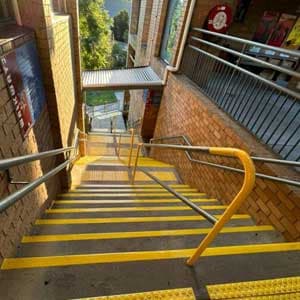
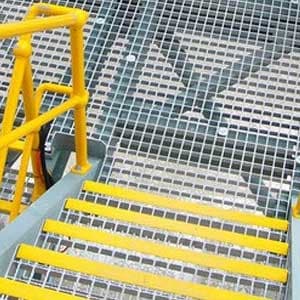
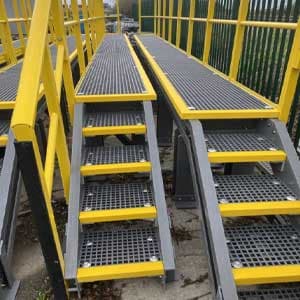
Anti-slip tapes are used to add grip to surfaces where slips may be more likely. They are commonly applied to steps, ramps, walkways, ladders, and entrance areas. They can be useful in warehouses, factories, retail premises, and commercial buildings where extra surface traction is needed. Before ordering, check whether the tape is suitable for the intended surface and whether it will be used indoors or outdoors.
Browse suitable anti-slip tape options for high-traffic and safety-focused areas.
ii) Industrial Tapes
Industrial tapes cover a broad range of products designed for professional tasks such as sealing, securing, protecting, joining, and repairing. They may be used in manufacturing, construction, maintenance, warehousing, and logistics. The right choice depends on the surface, required strength, exposure to moisture or temperature changes, and whether the application is temporary or long-term.
Compare industrial tapes based on the demands of your application.
iii) Adhesive Tapes
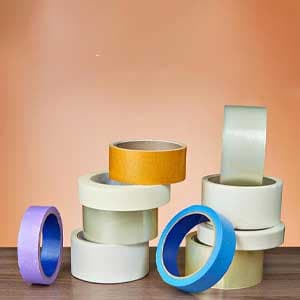
Adhesive tapes are versatile products used for bonding, sealing, packaging, labelling, and general maintenance. They are suitable for many everyday commercial tasks, but buyers should still consider the adhesive type, surface material, and level of hold required. A tape intended for light packaging may not be suitable for demanding industrial use.
Find an adhesive tape suited to your fixing, sealing, or packaging needs.
iv) Floor Tapes
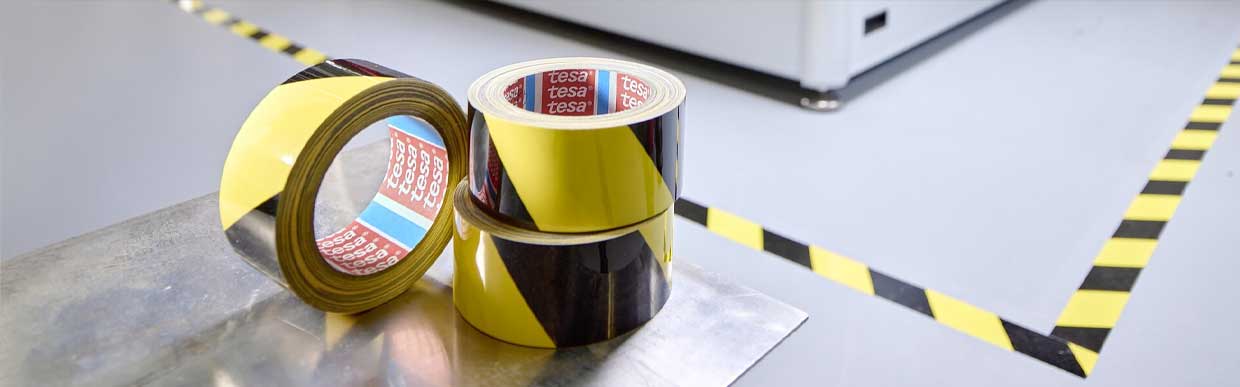
Floor tapes help define walkways, storage bays, work zones, and restricted areas. They are commonly used in warehouses, factories, workshops, and other busy commercial spaces. Colour can also support workplace organisation by making different areas easier to identify. For best results, the floor should be clean, dry, and suitable for adhesive application.
Choose floor tapes that support clearer, more organised working areas.
v) Double-Sided Tapes
Double-sided tapes have adhesive on both sides, allowing materials to be fixed together without visible fasteners. They are often used for signage, displays, lightweight mounting, point-of-sale materials, and interior fitting tasks. Buyers should check the weight of the item, the surface type, and whether the fixing needs to be permanent or removable.
Explore double-sided tapes for neat and discreet fixing applications.
vi) Cloth Tapes
Cloth tapes are commonly used for bundling, wrapping, protecting, and carrying out temporary repairs. Their flexible construction can make them useful on uneven surfaces or around awkward shapes. They are often found in maintenance kits, workshops, warehouses, and construction environments. However, temporary tape repairs should not replace a proper permanent repair where safety or structural performance is involved.
Select cloth tapes for practical maintenance, wrapping, and repair tasks.
vii) Barrier Tapes
Barrier tapes are used to make hazards, restricted zones, or controlled areas more visible. They are commonly seen on construction sites, in warehouses, at events, and around maintenance work. They are generally intended for visual warning and area control rather than physical protection. Where a stronger barrier is required, tape should be used alongside suitable barriers, signs, or safety equipment.
Browse barrier tapes for clearer hazard marking and restricted-area control.
Key Factors When Selecting High-Performance Tape
Choosing the right tape depends on the surface, environment, and type of job. Comparing these points before ordering can help avoid poor adhesion, early lifting, or using a product that is not suitable for the application.
| Factor | What to Check | Why It Matters |
|---|---|---|
| Surface type | Metal, plastic, wood, glass, concrete, painted surfaces, or uneven materials | Some adhesives perform better on smooth surfaces, while others are designed for rougher materials |
| Indoor or outdoor use | Exposure to rain, moisture, sunlight, and changing temperatures | Outdoor applications may need greater weather and temperature resistance |
| Required strength | Light fixing, mounting, sealing, bundling, or heavy-duty bonding | The level of hold should match the weight and demands of the task |
| Surface condition | Dust, grease, moisture, loose paint, or debris | A dirty or damp surface can prevent the adhesive from bonding properly |
| Traffic and wear | Foot traffic, trolleys, machinery, or frequent handling | Floor and anti-slip tapes may need to withstand regular movement and abrasion |
| Permanent or temporary use | Long-term fixing or short-term marking and repairs | Temporary applications may require easier removal, while permanent jobs need a stronger bond |
| Colour and visibility | Safety marking, zoning, identification, or discreet fixing | Bright colours can improve visibility, while clear or neutral tapes may suit display and mounting work |
| Application conditions | Temperature at the time of installation and pressure applied | Correct application can help the adhesive make full contact with the surface |
Before applying any tape, clean and dry the surface and follow the product instructions. Proper preparation can improve adhesion and help the tape perform as intended.
Essential High-Performance Tape Questions
Q: Which tape is best for warehouse floors?
Floor tape is usually the most suitable option for marking walkways, storage bays, and work zones. Anti-slip tape may be better for steps, ramps, or areas where extra grip is needed. The final choice should depend on the floor surface, traffic level, and intended use.
Q: Can high-performance tapes be used outdoors?
Some tapes are designed for outdoor conditions, but not all products are suitable for exposure to rain, sunlight or temperature changes. Always check the product guidance before using tape outside.
Q: What is the difference between adhesive tape and double-sided tape?
Standard adhesive tape usually has adhesive on one side, making it useful for sealing, wrapping and securing. Double-sided tape has adhesive on both sides, allowing two surfaces to be joined without visible fasteners.
Q: Are cloth tapes suitable for permanent repairs?
Cloth tapes can be useful for temporary repairs, bundling, and protective tasks. However, they should not replace a proper permanent repair where safety, structural strength, or long-term durability is important.
Need help choosing the right tape? Contact us for friendly product guidance.
Reliable Tape Solutions for Every Application
High-performance tapes support a wide range of industrial and commercial tasks, from improving grip and marking floors to fixing, sealing, bunding, and identifying restricted areas. The most suitable option will depend on the surface, environment, level of wear, and whether the application is temporary or long-term.
Taking time to compare tape types before ordering can help reduce waste, improve adhesion, and ensure the product is suitable for the job. Anti-slip, floor, barrier, cloth, adhesive, industrial, and double-sided tapes each serve a different purpose, so buyers should avoid treating them as interchangeable.
For suitable options, browse the tape range available from Zalwan Ltd and choose products based on the demands of your workplace, project, or maintenance task.