
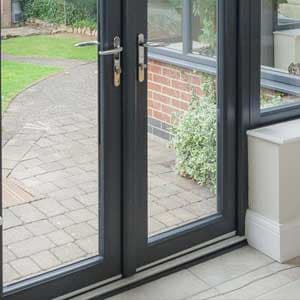
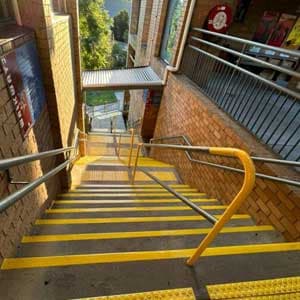

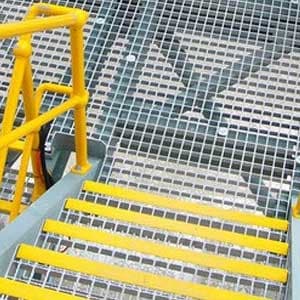




Door thresholds often go unnoticed, but they play a key role in how your space looks, feels, and functions day to day. Whether you're updating a single room or working on a full renovation, the right threshold helps create a smooth, professional finish between different flooring areas. Without a proper threshold in place, transitions between rooms can feel uneven or incomplete. You might notice exposed edges, small gaps, or height differences that not only affect the appearance but can also become a trip hazard over time. This is especially common when joining materials like carpet and laminate, or tile and wood.
A well-chosen threshold solves these issues neatly. It creates a clean visual break between spaces while protecting the edges of your flooring from wear and damage. In high-traffic areas, this added protection can make a noticeable difference in how long your floors last. It’s also worth considering how thresholds contribute to comfort and practicality. For example, in doorways where there’s a slight height difference, the right profile can help reduce impact underfoot and improve accessibility.
If you're exploring suitable options for your project, you can browse a wide range of practical and well-finished designs in the thresholds collection on Zalwan Ltd, helping you find a solution that fits both your space and your flooring type.
Types of Door Thresholds and Where to Use Them
Choosing the right door threshold starts with understanding the different types available and how each one is designed to solve a specific flooring challenge. The right choice depends on your floor types, height differences, and how the space is used.
Here’s a breakdown of common options and where they work best:
Aluminium Door Thresholds
A popular choice for both residential and trade use, aluminium thresholds are known for their strength and clean finish. They’re ideal for high-traffic areas such as hallways, entrances, and commercial spaces where durability matters.
Flat Door Threshold
Best suited for joining floors of the same height, flat thresholds create a neat and subtle transition. They work well between similar materials like laminate to laminate or tile to tile, where no height adjustment is needed.
Door Threshold Ramp
Designed for areas where there’s a noticeable height difference between floors, ramp thresholds provide a gradual slope. This makes them a practical option for improving accessibility and reducing trip risks in busy households or workplaces.
Carpet Cover Profile
Perfect for securing the edges of carpets, these profiles help prevent fraying while keeping the transition tidy. They are commonly used where carpet meets another surface, such as laminate, vinyl, or tile.
Self-Adhesive Door Threshold
A convenient option for quick installations, self-adhesive thresholds are ideal for DIY projects. They work best in low to medium-traffic areas where drilling or fixing may not be preferred.
T-Bar Transition Trim
T-bars are designed to bridge two hard floors at the same level, such as wood or laminate. They offer a balanced, seamless look and are often chosen for living areas and open-plan spaces.
If you're comparing different styles for your project, browsing the full range of door thresholds available that can help you match the right type to your flooring setup and usage needs.
Choosing the Right Threshold for Your Space
Selecting the right door threshold is not only about appearance. It also needs to perform well in your specific space. The right choice can improve the finish, safety and longevity of your flooring, while the wrong option may cause gaps, wear, or instability over time.
| Factor | What to Consider | Suitable Threshold Options |
|---|---|---|
| Flooring Types | Identify the two flooring materials you need to join. Different combinations require different profiles to create a neat and secure transition. | Carpet to laminate: Cover profile or ramp. Tile to wood: T-bar or flat threshold. Uneven surfaces: Ramp-style threshold |
| Height Differences | Check whether both floors are level. Choosing the wrong profile may leave a visible gap or create an uncomfortable step between rooms. | Same height: Flat threshold or T-bar, Different heights: Ramp threshold |
| Traffic Levels | Consider how often people walk through the area. Busy entrances, hallways, and shared spaces usually need a stronger, more durable material. | High-traffic areas: Aluminium thresholds. Low-traffic rooms: Lighter or self-adhesive thresholds |
| Interior or Exterior Use | Indoor and outdoor doorways have different requirements. Exterior thresholds may need to withstand moisture, changing temperatures, and regular wear. | Interior spaces: Decorative or lightweight profiles. Exterior doorways: Robust, weather-resistant thresholds |
| Finish and Appearance | Choose a colour and finish that complements your flooring and surrounding décor. The threshold can either blend in discreetly or create a deliberate contrast. | Subtle look: Match the flooring finish. Defined transition: Choose a contrasting colour or material |
Materials and Finishes That Influence Performance and Longevity
When choosing a premium door threshold, the material and finish play a big role in how well it performs over time. It’s not just about appearance — it’s about durability, resistance to wear, and how well the threshold holds up under daily use.
1. Aluminium Thresholds
Aluminium is one of the most widely used materials for door thresholds, especially in busy areas. It’s strong, lightweight, and resistant to corrosion, making it suitable for both interior and certain exterior applications. For households or commercial spaces with regular foot traffic, aluminium offers a reliable, long-lasting solution without compromising on a clean, modern look.
2. Finish Options and Style
The finish you choose can affect both aesthetics and maintenance:
- Brushed or satin finishes tend to hide scratches and wear better over time
- Polished finishes offer a more decorative look but may show marks more easily
- Neutral tones blend seamlessly with most flooring, while bolder finishes can highlight transitions intentionally
3. Durability in Daily Use
A premium threshold should maintain its shape and finish even with constant use. Lower-quality options may bend, loosen, or wear down more quickly, especially in high-traffic areas. Choosing a well-made threshold helps reduce the need for replacements and keeps your flooring edges protected for longer.
Installation and Maintenance for Long-Lasting Results
Getting the best performance from your door threshold doesn’t stop at choosing the right type — proper installation and simple maintenance make a noticeable difference over time.
Installing for a Secure Fit
Before fitting your threshold, make sure the surface is clean, dry, and level. Dust or uneven flooring can affect how well the threshold sits and stays in place.
- Measure carefully to ensure the threshold fits the doorway width accurately
- Align it properly so it sits evenly between both flooring surfaces
- Choose the right fixing method — screw-fixed options provide a more permanent solution
Taking a bit of extra time during installation helps prevent movement, gaps, or premature wear.
Keeping Your Threshold in Good Condition
Door thresholds don’t require much upkeep, but a few simple habits can extend their lifespan:
- Regularly remove dust and debris to prevent surface scratching
- Wipe down with a damp cloth to maintain the finish
- Check for any loosening over time, especially in high-traffic areas
For aluminium and other durable materials, maintenance is minimal, but consistent care helps preserve both appearance and performance. A well-installed and maintained threshold will continue to provide a clean transition and reliable support, even in busy parts of your home or workspace.
Practical Questions Buyers Ask About Door Thresholds
Q: What is the purpose of a door threshold?
A door threshold creates a smooth transition between two flooring surfaces while protecting exposed edges. It also helps improve safety by reducing trip hazards in doorways.
Q: Which door threshold is best for uneven floors?
For uneven floor levels, a door threshold ramp is usually the most suitable option. It provides a gradual slope, making the transition safer and more comfortable underfoot.
Q: Can door thresholds be used between different flooring types?
Yes, many thresholds are specifically designed for this purpose. For example, carpet cover profiles work well between carpet and hard flooring, while T-bars are ideal for joining two hard surfaces of equal height.
Q: Are self-adhesive door thresholds reliable?
Self-adhesive thresholds can be a good option for quick and simple installations, particularly in low to medium-traffic areas. For heavier use, fixed thresholds may offer better long-term stability.
The Right Door Threshold for Your Project
Finding the right door threshold comes down to understanding your space, your flooring, and how the area is used day to day. A well-matched threshold doesn’t just complete the look — it improves durability, safety, and overall finish.
Whether you need a simple flat threshold for level floors, a ramp for height differences, or a carpet profile for a cleaner edge, choosing the right type makes all the difference in both performance and appearance. Premium options are especially worth considering in areas that see regular use. They tend to offer better strength, cleaner finishes, and longer-lasting results, helping you avoid frequent replacements or adjustments.
If you're ready to choose a solution that suits your flooring and layout, you can explore a wide selection of door thresholds at Zalwan Ltd to find options designed for both practical use and a clean, professional finish.