






In busy commercial spaces, flooring plays a key role in safety, cleanliness, and presentation. The right professional floor matting can help create a cleaner, safer, and more welcoming environment for staff, customers, and visitors.
Professional floor matting can improve grip, trap dirt and moisture, protect flooring from wear, support easier cleaning, and maintain a more professional appearance in high-traffic areas. It is suitable for offices, retail stores, schools, healthcare facilities, warehouses, factories, hotels, restaurants, leisure venues, public buildings, and community spaces.
As every environment has different requirements, selecting the appropriate matting solution is essential. At Zalwan Ltd, businesses can explore a range of flooring & matting products designed for demanding commercial applications, making it easier to find options that suit different workplaces and levels of foot traffic.
Types of Floor Matting Solutions for Commercial Environments
No single matting product is suitable for every workplace. The right choice depends on factors such as foot traffic, exposure to moisture, the working environment, and the level of protection required. Understanding the differences between Rubber Sheets, Rubber Mattings, and Floor Matting can help you select the most appropriate solution for your premises.
1. Rubber Sheets
Rubber sheets are a versatile option for commercial and industrial environments where durability and surface protection are important. They can be used to shield floors, workbenches, equipment, and other surfaces from impact and everyday wear.
They are commonly used in workshops, factories, warehouses, storage areas, manufacturing facilities, vehicle maintenance areas, and as protective linings for work surfaces. Their robust construction makes them a practical choice for environments where flooring and equipment are regularly exposed to heavy use.
2. Rubber Mattings
Rubber matting is designed to provide reliable traction and a resilient walking surface in demanding environments. They are commonly installed in areas where slip resistance and durability are priorities, particularly where floors may be exposed to water, dirt, or frequent foot traffic.
These mattings are often used in industrial workplaces, commercial kitchens, loading bays, utility rooms, garages, and maintenance facilities. Depending on the application, rubber matting can also help improve comfort underfoot for staff who spend long periods standing.
3. Floor Matting
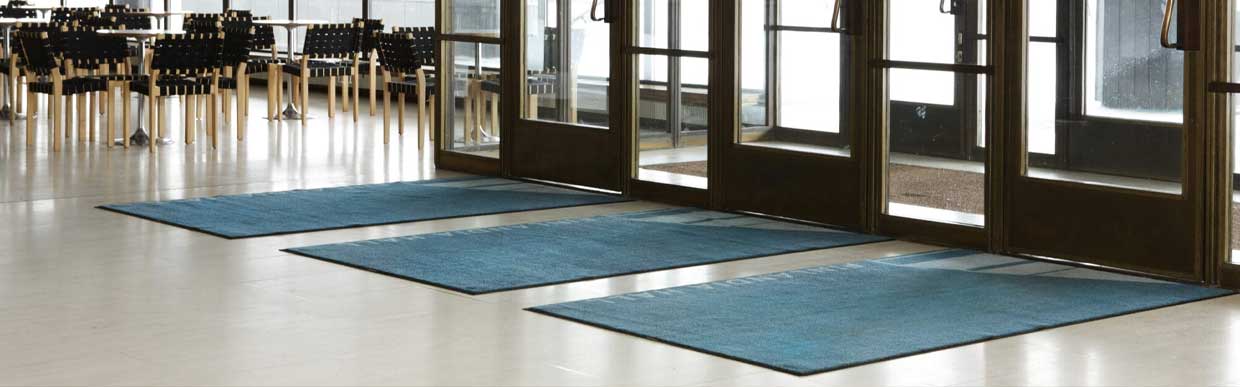
Floor matting is widely used in entrances and internal walkways to help capture dirt and moisture before it reaches the main flooring. As well as helping to maintain cleaner premises, it contributes to a more professional appearance and can reduce the amount of cleaning required throughout the day.
Typical locations include building entrances, reception areas, office corridors, retail stores, educational facilities, healthcare environments, and hospitality venues. The most suitable floor matting will depend on where it is installed and the volume of daily footfall.
| Product Type | Best Suited For | Key Benefit |
|---|---|---|
| Rubber Sheets | Industrial surfaces, work areas, and protective linings | Durable surface protection |
| Rubber Mattings | Wet, busy, or safety-critical workplaces | Slip resistance and long-lasting performance |
| Floor Matting | Entrances, receptions, and public walkways | Helps trap dirt and moisture while protecting the flooring |
When comparing different options for your workplace, the commercial flooring range available from Zalwan Ltd can help you explore suitable Matting solutions for a variety of business environments.
Matting Solution for High-Traffic Areas
The right matting solution depends on how the area is used. A busy entrance, workshop, kitchen, warehouse, or reception space will each have different requirements, so the product should be chosen for the environment rather than appearance alone.
Indoor and outdoor conditions should also be considered. Outdoor matting may need to handle moisture and heavier debris, while indoor options are usually selected for cleanliness, appearance, and comfort. Before ordering, check the expected foot traffic, exposure to moisture, level of grip, cleaning needs, available space, and whether the product is suitable for indoor or outdoor use.
| Requirement | Suitable Option to Consider | Typical Application |
|---|---|---|
| Managing dirt and moisture at entrances | Floor Matting | Receptions, shops, offices, and public buildings |
| Creating a resilient surface in demanding areas | Rubber Mattings | Workshops, utility spaces, and industrial environments |
| Protecting floors or work surfaces | Rubber Sheets | Warehouses, benches, and maintenance areas |
| Supporting busy pedestrian routes | Heavy-duty Floor Matting | Corridors, entrances, and high-footfall spaces |
| Providing practical coverage in work zones | Rubber Sheets or Rubber Mattings | Manufacturing, storage, and service areas |
Key Factors to Consider Before Buying Commercial Floor Matting
Selecting the right commercial floor matting involves more than choosing the correct size. The product should suit the environment, level of foot traffic, and demands of everyday use.
i) Material and Durability
Rubber is a practical choice for many commercial settings because it can provide durability, grip, and resistance to everyday wear. The material should be suitable for the intended environment and the amount of use it will receive.
ii) Thickness and Foot Traffic
The thickness of the matting should match the application. Busy entrances, workshops, warehouses, and industrial areas may require a more robust option than quieter indoor spaces.
iii) Slip Resistance
Slip resistance is particularly important in entrances, kitchens, workshops, and other areas where moisture or debris may be present. Always check that the product is suitable for the conditions in which it will be used.
iv) Cleaning and Maintenance
Commercial matting should be easy to maintain. Before ordering, consider:
- How often will the area need cleaning
- Whether dirt or moisture is likely to build up
- Which cleaning method is suitable for the material
- How easily the matting can be moved or accessed
v) Size, Placement, and Suitability
Measure the area carefully and check whether the matting is designed for indoor or outdoor use. The right size and placement can help improve coverage, support safer movement, and protect the flooring underneath.
How to Care for Commercial Rubber & Matting
Regular care helps commercial matting stay clean, presentable, and suitable for everyday use. The correct maintenance method will depend on the material, location, and amount of foot traffic. For routine cleaning, remove loose dirt and debris before washing the surface with a suitable cleaning solution. Avoid using harsh chemicals unless the product guidance confirms they are safe for the material.
A simple maintenance routine should include:
- Vacuuming or sweeping away loose dirt
- Cleaning spills as soon as possible
- Washing the surface using an appropriate method
- Checking edges for lifting, curling, or movement
- Inspecting the matting for cracks, heavy wear, or damage
- Allowing the surface to dry fully before use
Rubber sheets and rubber matting used in workshops, warehouses, or utility areas may require more frequent cleaning because of dust, oils, and workplace debris. Entrance floor matting should also be checked regularly, particularly during wet weather when moisture and dirt can build up more quickly.
Commercial matting may need replacing when it becomes difficult to clean, loses grip, develops damaged edges, or no longer provides suitable coverage. Regular inspections make it easier to identify problems before they affect safety or appearance.
Frequently Asked Questions
Q: What is the difference between rubber sheets and rubber matting?
Rubber sheets are generally used for surface protection, lining, and coverage in work areas, while rubber matting is designed more specifically for walking surfaces, grip, and everyday floor use.
Q: Which floor matting is best for commercial entrances?
The best option depends on foot traffic, moisture levels, available space, and whether the mat will be used indoors or outdoors. Entrance matting should be suitable for trapping dirt and moisture while remaining easy to maintain.
Q: Are rubber mats suitable for wet areas?
Some rubber mats may be suitable for wet or moisture-prone areas, but buyers should always check the product’s intended use, surface design, and suitability before ordering.
Q: How do I choose the right floor matting?
Consider the location, footfall, exposure to moisture, required grip, cleaning routine, size, thickness, and whether the matting will be used indoors or outdoors.
Conclusion
Selecting the right floor matting is an important step in creating a safer, cleaner, and more professional commercial environment. Whether you need rubber sheets for surface protection, rubber matting for improved grip in demanding workplaces, or floor matting for busy entrances and walkways, choosing a solution that matches your specific requirements can deliver lasting benefits.
By considering factors such as foot traffic, location, material, and maintenance, businesses can invest in matting that supports everyday operations while helping to protect flooring and improve workplace safety. To explore a range of commercial matting solutions suitable for high-traffic areas, visit Zalwan Ltd.
Need Help Choosing the Right Matting?
Contact us today to discuss your requirements and find a suitable flooring or matting solution for your commercial space.