



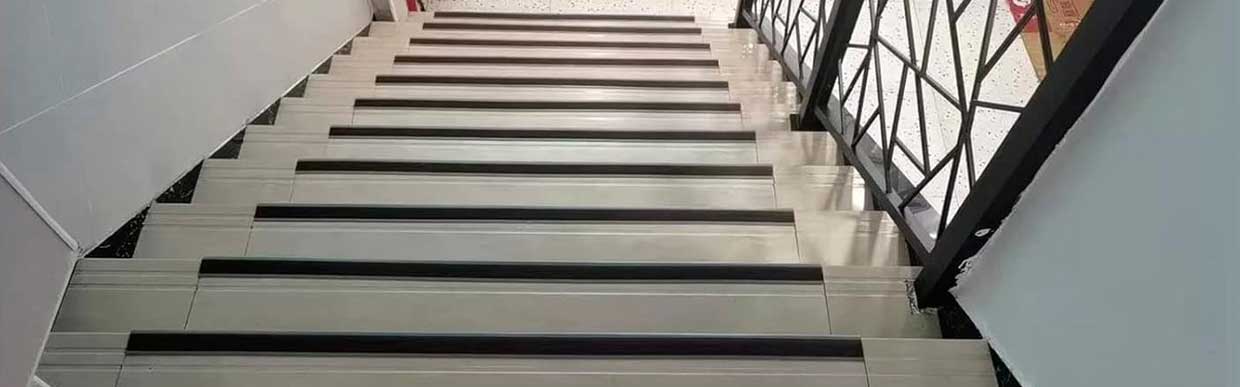
Stairs are one of the most commonly used features in any building, yet they’re also one of the easiest places for accidents to happen. Whether it’s at home, in a school, or within a busy workplace, even a small slip on a stair edge can lead to serious injury.
One of the main causes of stair-related accidents is a lack of grip, especially on smooth or worn surfaces. Over time, stair edges can become slippery due to foot traffic, moisture, or general wear. Poor visibility of step edges can also make it harder for people to judge depth correctly, increasing the risk of trips and falls.
Adding the right stair edge protection is a simple yet effective way to reduce these risks. It helps create a clearer, more secure walking surface while also protecting the edges of the stairs from damage. If you’re looking to improve safety, it’s worth reviewing suitable options available through Zalwan Ltd.
How Stair Edge Protection Improves Safety
Stair edge protection, often referred to as stair nosing, is designed to cover and reinforce the front edge of each step. This area naturally experiences the most wear and is also where slips are most likely to occur, making it a key point for safety improvements.
By adding stair edge protection, you introduce an extra layer of grip exactly where it’s needed most. Many options include textured or anti-slip surfaces that help reduce the risk of slipping, even in areas exposed to moisture or heavy use. At the same time, the added edge definition makes each step more visible, helping users move with greater confidence. Beyond safety, stair nosing also helps extend the life of your stairs. It protects edges from chipping, cracking, and general wear, which is especially useful in commercial or high-traffic environments.
Stair edge protection can be used across a wide range of settings, from indoor staircases in homes and offices to external steps exposed to the elements. Different materials and designs are available to suit specific needs, whether you’re prioritising durability, ease of installation, or a clean finish.
Main Types of Stair Edge Protection
Choosing the right stair edge protection starts with understanding the different types available. Each option is designed for specific environments, levels of foot traffic, and installation preferences, so knowing the differences can help you make a more confident choice. Below is a clear breakdown of the main categories and where they’re typically used.
Anti-Slip Stair Nosing
Anti-slip stair nosing is one of the most popular choices for improving grip and safety. These are designed with textured or slip-resistant surfaces, making them ideal for both residential and light-to-medium commercial use.
Aluminium stair nosing is widely used for its strength and durability. It’s a reliable choice for areas with regular foot traffic, offering long-lasting performance while maintaining a clean, professional look. Many options also include anti-slip inserts for added safety.
Bullnose stair nosing features a rounded front edge, giving a smoother finish to the step. This style is often chosen for spaces where appearance matters as much as safety, such as homes, offices, or retail interiors.
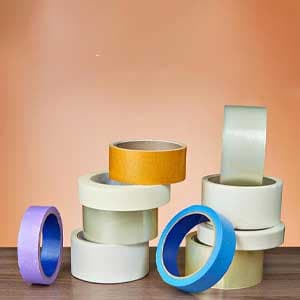
Self-adhesive stair nosing is ideal for quick and simple installation. It’s particularly useful for DIY projects or low-disruption upgrades, allowing you to improve safety without the need for tools or complex fitting.
If you’re comparing these options, browsing the available range on Zalwan Ltd can help you see which type suits your space best.
Commercial Stair Nosing
Commercial stair nosing is designed for more demanding environments where durability and performance are essential. These options are typically used in public, industrial, or high-traffic settings.
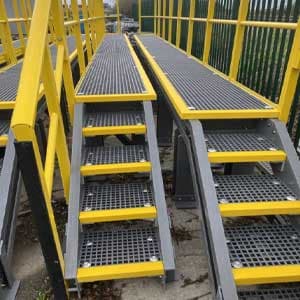
External stair nosings are built to withstand outdoor conditions, including rain and temperature changes. They offer enhanced grip even in wet environments, making them a practical choice for entrances, fire exits, and outdoor staircases.
PVC hard nosing provides a durable yet cost-effective solution for busy indoor areas. It’s commonly used in schools, offices, and commercial buildings where consistent foot traffic requires a reliable and low-maintenance option.
Choosing the Right Stair Nosing for Your Space
Selecting the right stair edge protection depends on where it will be used, the level of foot traffic, and the conditions it needs to handle. The table below makes it easier to compare options based on common use cases:
| Environment | Recommended Type | Why It Works Well |
|---|---|---|
| Homes (indoor stairs) | Bullnose / Self-adhesive | Easy to install, improves safety without affecting appearance |
| Offices & Retail Spaces | Aluminium stair nosing | Durable, professional look, handles regular foot traffic |
| Schools & Public Buildings | PVC hard nosing / Aluminium | Reliable grip, low maintenance, suitable for consistent daily use |
| Outdoor Areas | External stair nosings | Designed for weather exposure, maintains grip in wet conditions |
| Warehouses & Industrial Use | Commercial-grade nosing | Built for heavy foot traffic, long-lasting and highly durable |
When narrowing down your options, it’s helpful to think about three things first: location, usage, and durability requirements. From there, you can choose a material and installation method that fits your space. To compare suitable options in more detail, you can browse the available ranges and find what best matches your needs.
Check Before Buying Edge Protection
Before choosing stair edge protection, it’s worth taking a moment to check a few key details. The right choice will not only improve safety but also ensure the product lasts and performs as expected. Here’s a simple checklist to guide your decision:
- Grip Level
Look for anti-slip surfaces or textured finishes, especially if the stairs are used frequently or may get wet. - Material Type
Aluminium, PVC, and other materials each offer different levels of durability and finish. Consider how much wear the stairs will face. - Indoor vs Outdoor Use
Not all stair nosing is suitable for external conditions. For outdoor steps, choose options designed to handle moisture and temperature changes. - Installation Method
Some products require fixing with screws, while others are self-adhesive for quicker installation. Choose what suits your setup and skill level. - Visibility and Design
A clearly defined edge can help prevent trips. Subtle or contrasting finishes can improve step visibility without affecting the overall look. - Maintenance Requirements
In busy environments, it’s helpful to choose options that are easy to clean and maintain over time.
Common mistake to avoid:
Choosing based on appearance alone. While style matters, safety and durability should always come first—especially in high-traffic or commercial settings. Taking these factors into account will help you choose stair edge protection that not only fits your space but also performs reliably over time.
Where Stair Edge Protection Makes the Biggest Difference
Stair edge protection is most effective when used in areas where slips are more likely or where safety needs to be more controlled. Instead of applying it everywhere, it’s better to focus on high-risk or high-use locations where it delivers the most value.
i) High-Traffic Indoor Areas
Busy staircases in offices, schools, and commercial buildings benefit the most from added grip. Constant footfall can quickly wear down stair edges, making them smoother and more slippery over time. Adding durable nosing in these areas helps maintain consistent traction and reduces long-term wear.
ii) Entrances and Transition Areas
Stairs near entrances are often exposed to water, dirt, and changing footwear conditions. This makes them one of the most common spots for slips. Using anti-slip stair nosing here helps improve grip exactly where people are most likely to lose footing.
iii) Outdoor Steps and Fire Exits
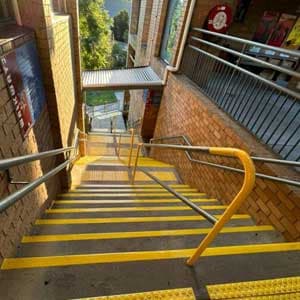
External stairs are naturally more hazardous due to rain and weather exposure. In these areas, choosing stair edge protection specifically designed for outdoor use is essential to maintain grip in wet conditions and improve visibility in low light.
iv) Residential Risk Zones
Within homes, certain staircases may pose more risk than others—such as narrow stairs, steep steps, or areas with limited lighting. Adding stair nosing in these spots can make everyday movement safer without needing major changes.
v) Industrial and Back-of-House Areas
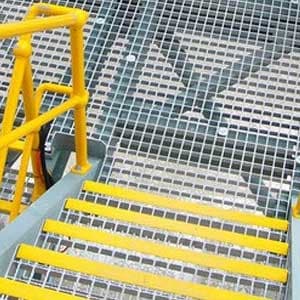
In warehouses, service corridors, or staff-only zones, stairs often face heavier use and less controlled conditions. Durable, low-maintenance stair edge protection helps reduce risk while standing up to tougher environments.
Focusing on these key areas ensures you’re not just adding stair edge protection for the sake of it, but using it where it will have the most practical impact. For suitable options across different environments, you can review the available range.
Everything You Need to Know
Q: Do I need stair edge protection for indoor stairs?
Yes, especially if the surface is smooth or gets frequent use. Even indoors, stair edges can become worn and slippery over time, so adding protection improves both grip and visibility.
Q: Is stair nosing suitable for outdoor use?
Yes, but only if it’s designed for external conditions. Outdoor stair nosings are made to handle moisture and weather exposure, helping maintain grip even in wet conditions.
Q: Can stair edge protection be installed without professional help?
Some types, such as self-adhesive stair nosing, are suitable for simple DIY installation. However, more heavy-duty options may require proper fixing for long-term performance.
Q: What material is best for high-traffic areas?
Aluminium and commercial-grade options are typically better suited for areas with frequent use, as they offer greater durability and wear resistance.