Email Us: sales@zalwanltd.co.uk
All prices include VAT.
Standard Shipping: 3-5 Business Days
Express Shipping: 1-2 Business Days
Ships within the United Kingdom only. See details →
30 Days Returns Policy.
Refunds in 2 working days. See details →

All payments are processed securely in GBP (£), inclusive of VAT.
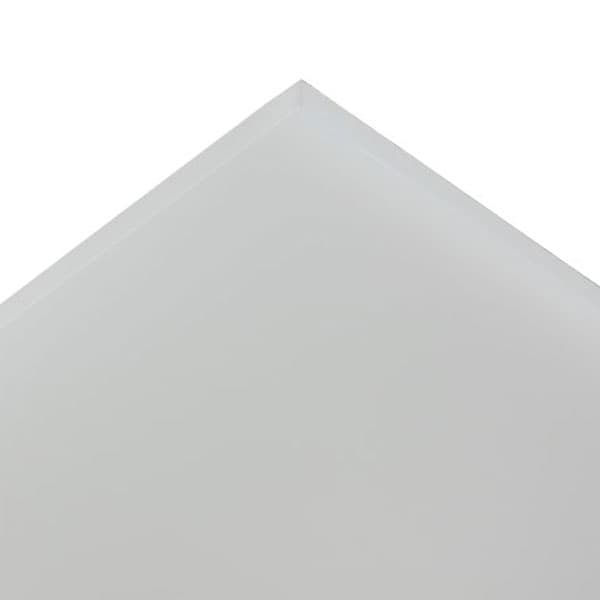
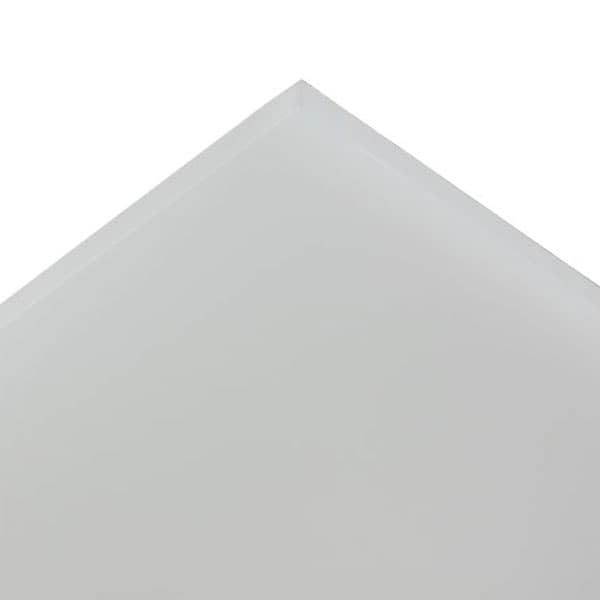
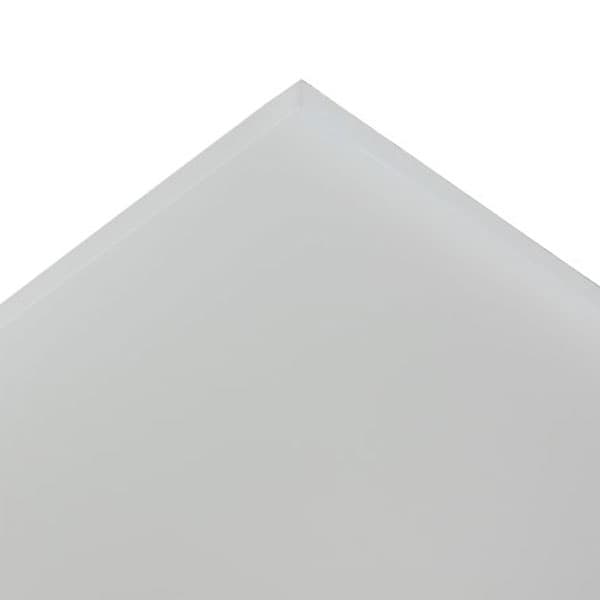
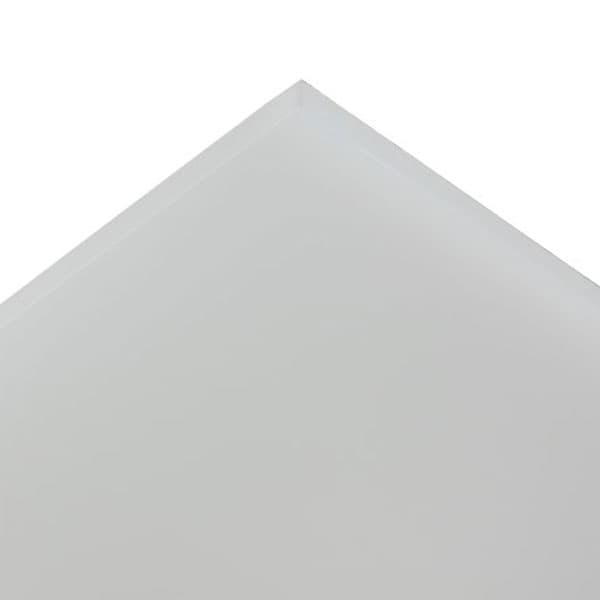
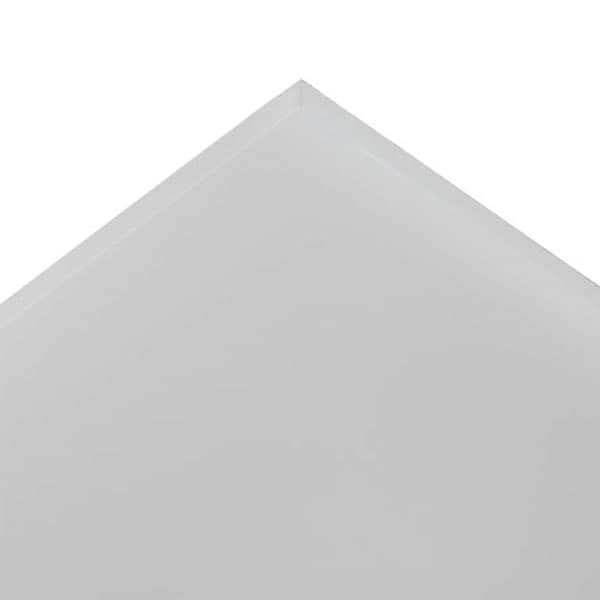
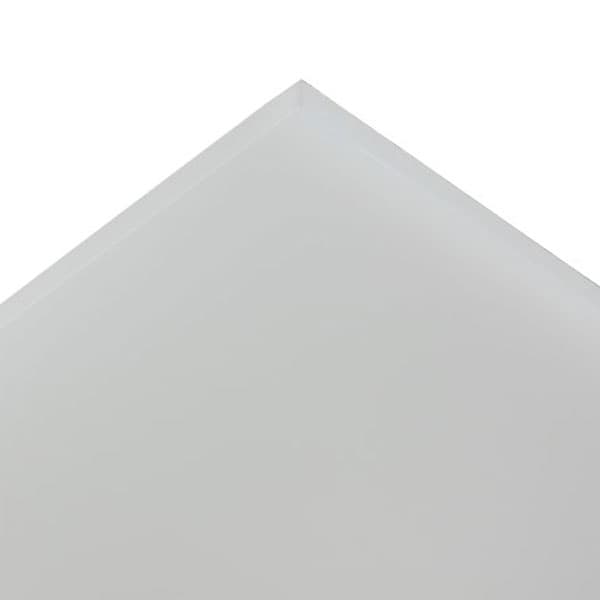
A virgin PTFE sheet at 40mm thick gives engineers a solid ptfe block for machining seals, valve seats, slide pads and insulating spacers. At Zalwan Ltd we supply it in a natural finish as a 300mm square blank, ready for the mill, lathe or bandsaw. PTFE has one of the lowest friction levels of any solid plastic, shrugs off almost every chemical and keeps working across a very wide temperature range, from freezer stores to hot process lines. Pair it with our 50mm PTFE engineering board when a component needs extra depth.
Workshops choose a thick ptfe plate when parts need real depth, such as bearing pads, guide blocks, scraper blades and chemical-resistant linings. The surface is non-stick, absorbs almost no moisture and insulates well against electricity, so it also suits electrical and food processing equipment. Being soft, it machines easily, although sharp tools and light cuts give the cleanest finish and the most accurate sizes. For thinner parts, see our 30mm natural PTFE board in the same grade.
Order your block today and keep a dependable plastic for machining parts that face heat, chemicals and constant sliding. One blank can yield several seals or pads, which keeps costs down on small batches, prototypes and urgent repair work around the plant. Shopping through Zalwan Ltd is simple, and if you would like advice on size or grade, call our team on +447421501765 and we will help you choose.
A: Virgin PTFE stays usable from very low temperatures up to around 260°C, which suits ovens, hot process lines and freezer equipment alike.
A: Yes. It is soft and cuts cleanly with sharp tools. Light cuts and steady feeds help you hold accurate sizes on finished parts.
A: Plain PTFE is very hard to bond because of its non-stick surface. Mechanical fixing or clamping is usually the more reliable choice.